Wick Winter Weather Preparedness Checklist for Residents
There is a particular kind of winter morning in Wick. The sky is still grey at half past nine, there is ice on the pavement outside the shops, and a wind coming off the harbour finds the gap in your jacket within seconds. Caithness winters are rarely dramatic for long, but they are long. Snow can lie for a week, frost works its way into outbuildings and empty houses, and power cuts in the outlying crofts and villages are a fact of life rather than a surprise. None of it needs to catch you out. A few hours spent getting ready in November saves a great deal of cold, damp trouble in January.
Get the house ready before the first hard frost
Water is the thing that does the damage. Find your stopcock now, while you can still turn it without a torch in your teeth, and make sure everyone in the house knows where it is. Lag the pipes in the loft, the cold water tank and any outdoor taps, including the one at the back door you only use in summer. Lagging is inexpensive and takes an afternoon.
Have the boiler serviced before the cold settles in, and bleed the radiators while you are at it. If you use an open fire or a stove, get the chimney swept and fit a carbon monoxide alarm. Do not block up air vents or draught-proof a room that contains a solid fuel appliance; you need the ventilation.
When the temperature drops below freezing, keep the heating on low rather than switching it off entirely, even overnight. If you are going away, leave the heating ticking over, turn the water off at the stopcock and ask a neighbour to look in. If a pipe does freeze, thaw it gently with warm towels or a hairdryer on a low setting. Never use a blowtorch or naked flame, and if a pipe has burst, shut off the water first and call a plumber.
Sort out your grit before you need it
Highland Council grits priority roads and footways, and it maintains grit bins in various parts of town and the county. What it cannot do is clear every path to every door. That bit is down to us, and it is much easier if the salt is already sitting in the shed.
- Buy a bag of rock salt or grit and keep a scoop with it.
- Spread it thinly and early, before snow is compacted into ice. It works far better as a preventative than as a cure.
- Remember that rock salt loses much of its bite in severe cold, so clear snow first where you can.
- Keep salt away from plants and wipe your dog's paws after a walk; it can irritate skin.
- Have a proper snow shovel as well as a brush, and keep it somewhere you can reach without clearing a path to it.
If you are unsure what provision applies on your street, or whether a grit bin near you is due a refill, contact the council directly. It is a five-minute query that saves an argument in February.
Build a winter kit you will not have to hunt for
Most households already own everything on this list. The problem is finding it in the dark. Put it all in one box or cupboard and tell the household where it lives.
- Torches and spare batteries, plus a couple of candles and matches
- A battery or hand-crank radio, so you can hear weather and travel updates if the internet goes down
- A charged power bank and charging cables
- Bottled water and food that needs no cooking, with a manual tin opener
- Any regular medication, plus a first aid kit
- Warm blankets or sleeping bags, hats and gloves for everyone
- Pet food, nappies and baby supplies if you need them
- A note of key numbers, including 105 for power cuts and 111 for NHS 24
- Some cash in small notes, in case card machines are down
If you keep a camping stove for emergencies, use it outdoors only. Burning gas or charcoal inside a house or garage produces carbon monoxide, which kills people every winter.
Power cuts: what to do when the lights go out
Call 105, the free national number for power cuts, and report it. Scottish and Southern Electricity Networks covers this part of the country and will tell you what is happening if you are registered for updates. Keep the fridge and freezer closed; a full freezer holds its cold for a good while if you resist opening the door. Leave one lamp switched on so you know the moment power returns.
Check on anyone nearby who lives alone or depends on electrical equipment. If the outage looks like lasting, decide early whether to go somewhere warm rather than toughing it out in a cooling house. Never bring a generator, barbecue or camping stove indoors, and do not run a generator in a garage attached to the house.
Getting about: cars, roads and walking
The A9 and the A99 close in bad weather, and the Berriedale Braes can catch drivers out even when the rest of the route looks clear. Check the Met Office warnings and Traffic Scotland before you set off, and be willing to cancel. Tell someone your route and when you expect to arrive.
- Keep the tank above half full and check tyre tread and pressures.
- Top up screenwash with a proper winter mix, not water.
- Carry a scraper, de-icer, torch, shovel, jump leads, blanket, warm clothing, boots, water and snacks.
- Charge your phone before you leave, and keep a charger in the car.
- If you get stuck, stay with the vehicle, keep the engine off unless you need warmth, and make sure the exhaust is clear of snow.
On foot, grippy boots and a small torch matter more than a thick coat. Reflective bands cost very little and make a real difference on unlit roads after dark.
Look after each other
Wick is good at this, but it is worth being deliberate about it. Before a cold snap, ring the neighbours you know are on their own, offer to pick up shopping, and swap mobile numbers with the people on your street. Order repeat prescriptions early, and speak to your GP or pharmacist about winter vaccinations if you have not already. If someone is unwell and you are worried, NHS 24 on 111 is there around the clock. For anything to do with an older or vulnerable person's care, ask a professional rather than guessing.
Do these six things this weekend
Lag the pipes and find the stopcock. Buy a bag of salt and a shovel. Assemble the emergency box in one place. Service the boiler and sweep the chimney. Put a winter kit in the car. Ring one neighbour you have not spoken to in a while.
That is an afternoon's work. Winter in Caithness will still be long, dark and windy, but it will not be a problem you are meeting for the first time.
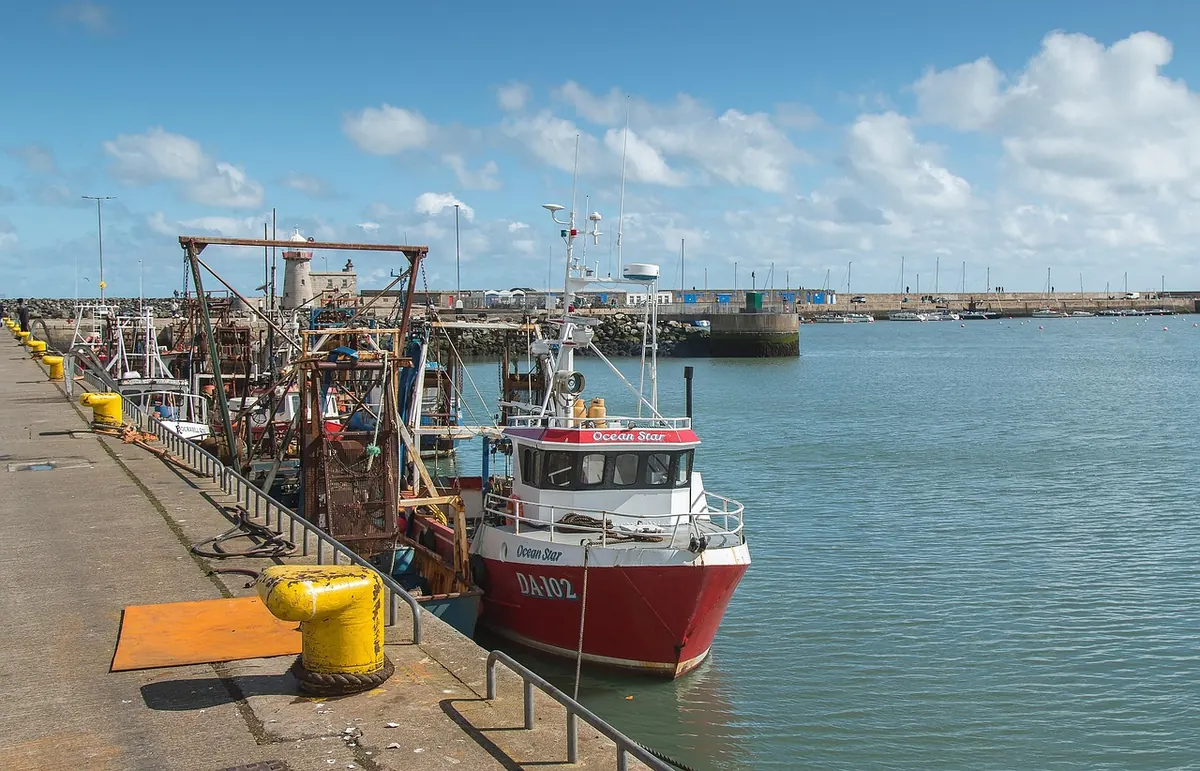
Photo: GillesD / Pixabay

You Might Also Like
Wick's teenagers have nowhere to go and little to do. A properly funded youth centre would be cheaper than the alternative — and the town already has the money, the buildings and the people.
From Europe's busiest herring port to a base for offshore wind and visiting yachts, Wick's harbour has reinvented itself more than once. Here's the story behind the quays.