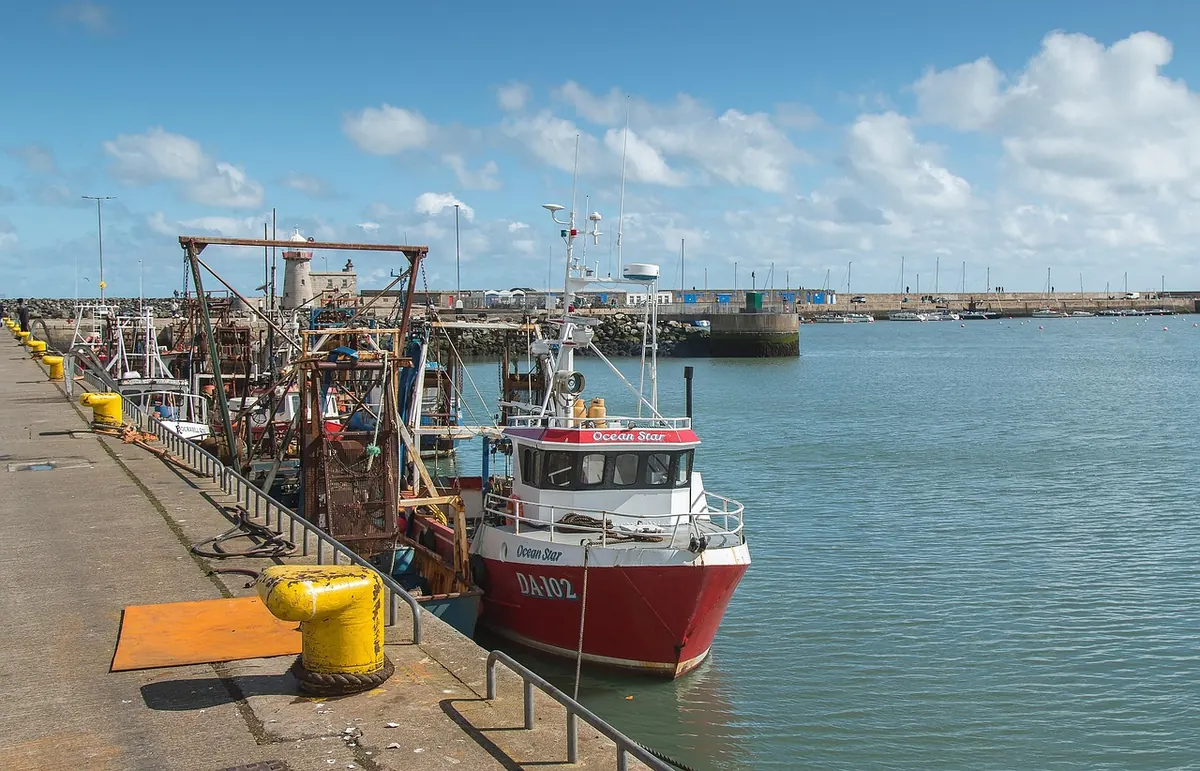
Wick's Seasonal Events Guide: What's On This Autumn
Autumn arrives in Wick quickly. One week the fields are still green and the evenings feel long; the next, the wind is coming off the harbour and the streetlights are on by half past five. It is also one of the busiest stretches of the year here, with markets, guising, fireworks, theatre trips and the first hint of Christmas all packed into a few short weeks. What follows is a working guide to the season: what tends to happen, roughly when, where to look for confirmed details, and how to get hold of tickets before they disappear.
Autumn markets and harvest fairs
The indoor market season starts in earnest in October. Church halls, community halls and the Assembly Rooms all host craft and produce fairs at some point during the season, and the regular market stalls carry the last of the local vegetables, preserves, bakes and smoked fish before the winter lull.
Go early if you want the good stuff. The best loaves, tablet and jars of jam rarely last past the first hour, and some stallholders still prefer cash. Take a sturdy bag rather than a flimsy carrier, and make a note of traders' names if you fancy ordering a Christmas hamper later — most will happily take a pre-order in November.
Dates move around from year to year, so the reliable places to check are the posters in shop windows along the high street, community noticeboards, and the social media pages of the halls themselves. Local free papers and church magazines remain surprisingly good sources too.
Hallowe'en and guising
The end of October brings guising, the Scottish tradition of dressing up and earning a treat with a joke, a poem or a song rather than simply knocking on doors. Houses that welcome visitors usually leave a porch light on; if the front of a house is dark, take the hint and move on.
Alongside the door-to-door rounds, there are usually family discos and parties in community halls, pumpkin-carving afternoons, and fancy-dress competitions. Some of these are ticketed in advance because the halls have a set capacity, so it is worth checking a week or two beforehand rather than assuming you can pay at the door.
A few practical points that make the evening easier for everyone: give younger children a torch and something reflective, agree a route and a return time with older ones, stick to well-lit streets, and remind them never to go inside a house they do not know. Older siblings make excellent escorts, but an adult in the background is still wise for the youngest.
Bonfire Night
Wick's fireworks night is normally run by a community group with support from local businesses, and the display takes place on or around 5 November. The site is confirmed each year, often one of the town's larger open spaces, so check the organisers' page in the last week of October for the confirmed location and start time.
Gates tend to open well before the first rocket. Arriving early means a shorter walk, an easier exit and a better view. Wear more layers than you think you need, add waterproof footwear, and bring a torch for the walk back. Some displays ask for a donation rather than selling tickets, so a few pound coins in your pocket are useful.
If you have pets, plan ahead: bring cats and dogs indoors well before dark, close the curtains, and put the radio or television on to mask the bangs. Anyone keeping livestock nearby will appreciate the same consideration. Sparklers should only be handled with gloves, never by very young children, and spent ones belong in a bucket of water, not the grass.
Music, theatre and ceilidhs
Autumn is when the touring programme picks up again. Venues such as Lyth Arts Centre and the Assembly Rooms typically host a mix of theatre, folk and classical music, tribute nights and family shows, while village halls around the county run ceilidhs, quiz nights and dances that are open to anyone willing to learn the steps.
Local choirs also start Christmas rehearsals around this time. If you have been meaning to join something, October and early November are the natural moment — most groups welcome new singers without an audition, and turning up to two or three rehearsals is usually enough to know whether it suits you.
For ticketed shows, buy from the venue box office or the organiser's own booking page where you can. Small venues often hold back a few seats for sale on the night, but there is no guarantee, particularly for weekend performances.
Remembrance Sunday and community fundraising
Remembrance Sunday falls on the second Sunday in November. The parade and wreath-laying at the war memorial draw a good crowd, and roads along the route are usually closed for a short period around the service, so allow extra time if you are driving through town that morning.
Poppy collections run in shops and halls for several weeks beforehand, and the same period is busy with coffee mornings, soup-and-sandwich lunches, quiz nights and fundraising events for local groups. These are among the friendliest ways to spend a Saturday morning, and if you have recently moved to the area, they are a good place to start meeting people.
St Andrew's Day and the Christmas lights switch-on
St Andrew's Day on 30 November often brings a small programme of its own — a service, a concert or a themed menu in one of the pubs or cafés. More significantly for families, the Christmas lights switch-on generally happens in late November on the high street, with a choir, a countdown and a visit from Santa, and shops staying open later than usual.
Craft fairs follow through the first weekends of December in church halls and community venues. Dates for the switch-on and the main fairs are usually announced in the first half of November, so keep an eye on local noticeboards and the town's community pages.
Tickets, travel and the practical bits
Most of Wick's autumn calendar is run by volunteers on tight budgets, so a little preparation goes a long way. Before you book anything, it is worth checking a short list of details:
- Whether the event is seated or standing, and whether seats are allocated
- Age guidance, and whether under-16s need to be accompanied by an adult
- Start time, running time and whether there is an interval
- Accessibility, including step-free entry and accessible toilets
- Parking, and the time of the last bus home if you are not driving
- Whether the venue or stallholders take card payments
- The organiser's policy on refunds, exchanges and cancelled events
When it comes to buying, a few habits will keep things simple:
- Book through the venue box office, the organiser's own page, or a recognised ticketing site.
- If something is sold out, ask about returns, waiting lists or a standby queue on the night.
- Be cautious about paying by bank transfer to someone you do not know on social media.
- Keep your confirmation email or a screenshot of the booking saved on your phone.
- Ask about concession rates. Many smaller local events offer them for students, older residents and children, even when the discount is not widely advertised.
Finally, check the organiser's page on the day. Autumn weather in Caithness can move a market indoors or postpone a display at short notice, and a two-minute check saves a wasted journey. Take cash for raffles and collections, dress for wind rather than sunshine, and tell someone where you are going if you are heading out for the evening. Turn up, buy a raffle ticket, and the season keeps going for another year.
Photo: Tuğba / Pexels

You Might Also Like
A practical checklist to help Wick residents get through the Caithness winter, from lagging pipes and gritting paths to emergency kits and checking on neighbours.
Wick's teenagers have nowhere to go and little to do. A properly funded youth centre would be cheaper than the alternative — and the town already has the money, the buildings and the people.