Beginner's Guide to Birdwatching in Wick: Where to Go and What to See
Birdwatching in Wick often starts by accident. You head down to the river for a walk, notice something small and brown bobbing on a wet stone, and spend the next twenty minutes trying to work out what it is. It is a dipper, almost certainly, and by the time you have worked that out you are already halfway to being a birdwatcher.
You do not need expensive kit or a head full of Latin names to begin. Caithness packs a remarkable variety of birds into a small area — cliffs, estuary, farmland, moor and loch all sit within a few miles of the town — and the birds here are often easier to watch than they are in busier parts of the country. What follows is a sensible starting point: where to go, what to take, what you are likely to see, and how to enjoy it without doing any harm.
Why Wick suits a beginner
The east coast of Caithness sits on a migration route, which means spring and autumn bring birds that are simply passing through. That gives you something to look at almost any week of the year.
Just as useful is how compact everything is. You can check a harbour, a river and a clifftop in a single morning without moving the car twice. Beginners learn fastest by visiting the same few places often rather than chasing new sites, and Wick is well set up for that.
Six places to try first
Wick River and the riverside paths
The easiest introduction in town. Dippers work the shallows, grey wagtails flit along the bank, and herons stand about looking as though they have nowhere to be. Mallards and goosanders use the quieter stretches, and sand martins hawk over the water in summer. Go early, walk slowly, and stop every so often rather than marching the full length.
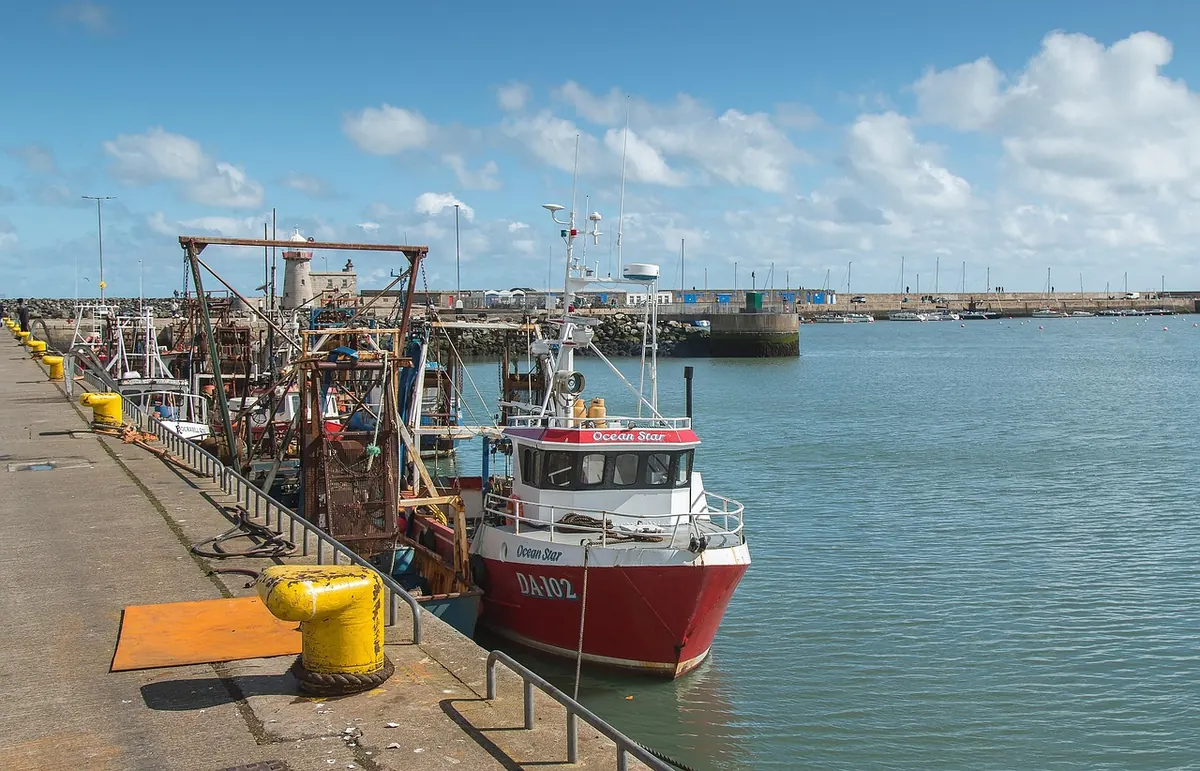
Wick Harbour and the South Head
Eiders, red-breasted mergansers, cormorants and shags are all regular here, with oystercatchers and turnstones picking over the stones. In winter, look for purple sandpipers on the rocky edges. From the South Head clifftop you get seabirds on the ledges in summer and a wide view of anything moving offshore. Keep clear of working boats and mooring lines, and stay well back from the cliff edge.
Noss Head and Sinclair's Bay
A short drive north and worth it. Guillemots, razorbills, kittiwakes and fulmars nest on the cliffs, gannets pass by offshore, and the beach at Sinclair's Bay holds eiders and waders. The castle ruin makes a good landmark if you are finding your way around. Park considerately — these are narrow, working roads.
Staxigoe and Reiss beach
Quieter than the harbour and excellent on a falling tide. Ringed plover, dunlin and sanderling feed along the wet sand, and terns fish offshore in summer. A gentle introduction to waders, which are easier to study here than in most places.
Loch of Yarrows
Near Thrumster, and a good half-day trip. Greylag geese, whooper swans, teal, wigeon, tufted duck and goldeneye all use the loch in winter, while hen harriers and short-eared owls hunt the surrounding moor and farmland. Early morning and late afternoon are much better than the middle of the day.
Loch Watten and the inland lochs
If you have a telescope, this is where it earns its keep. Winter brings large gatherings of geese and ducks to the Caithness lochs, and divers appear on some of them in summer. Even without a scope you can enjoy the noise and movement of a big flock lifting off.
What to look for through the year
- Spring: migrating waders and passerines along the coast, returning seabirds to the cliffs, and the first warblers and swallows inland.
- Summer: the seabird colonies at their busiest, terns fishing offshore, and moorland birds such as curlew, lapwing and skylark.
- Autumn: the best season for surprises. Winds from the east can drop unusual migrants almost anywhere, including gardens.
- Winter: wildfowl on the lochs, purple sandpipers and turnstones on the shore, snow buntings and twite along the coast, and great skuas still moving offshore in early winter.
The kit that actually matters
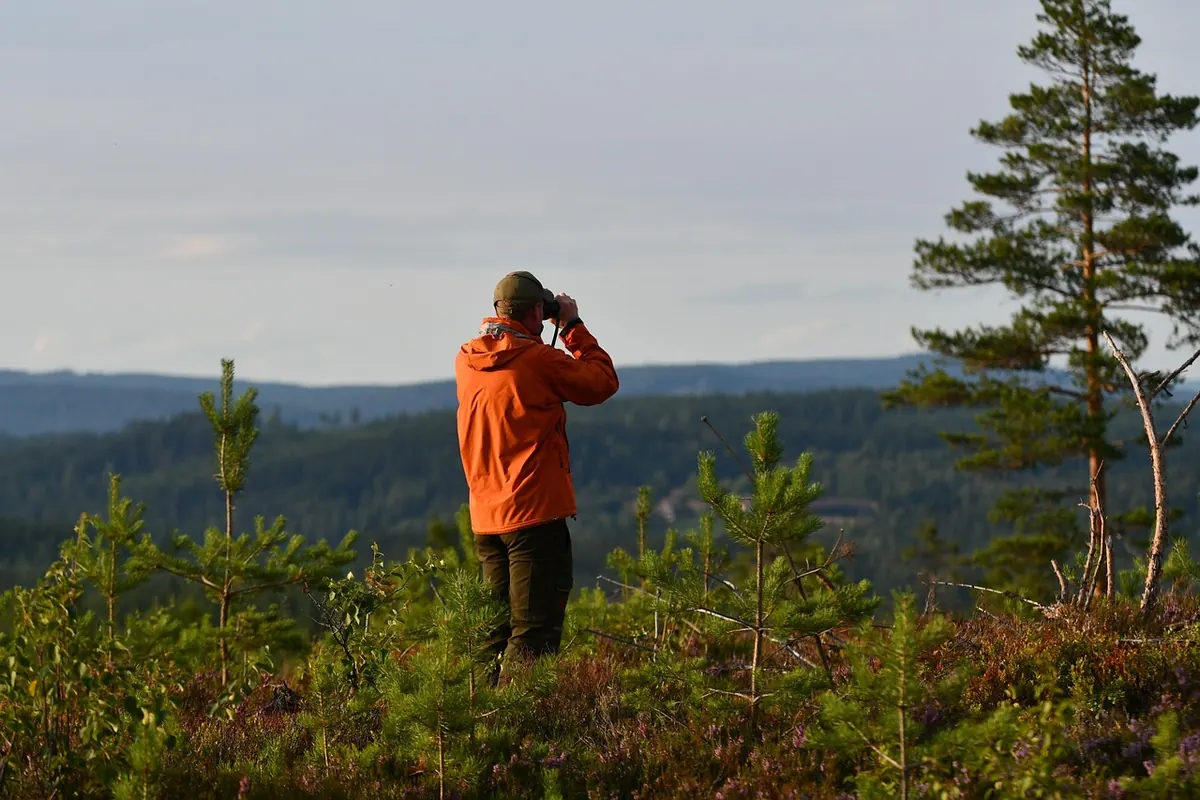
Binoculars are the one thing worth spending on, and a pair of 8x42 or 10x42 will serve you for years. Try before you buy if you can — how they feel in your hands matters more than the specification on the box. Good secondhand pairs are common, and local bird groups are usually happy to let a newcomer look through a few before deciding. Do not rush into buying a telescope; borrow one first and see whether you actually want to carry it.
Everything else is about being comfortable enough to stand still for an hour in a cold wind:
- A genuinely waterproof jacket and trousers.
- Boots with grip — clifftop grass is slippery when wet.
- Warm layers, hat and gloves, even in summer.
- A notebook, or notes on your phone: date, place, weather, wind, tide.
- A field guide. The RSPB Handbook of British Birds or the Collins Bird Guide are both good starting points.
- A flask. It sounds trivial until you are on a cold headland at dawn.
Watching without disturbing
This matters more in Caithness than in most places, because the birds here have relatively little disturbance to cope with and nest in the open.
Between March and July, keep your distance from anything that looks like it is nesting. If a bird starts calling at you and flying around your head, you are too close — back off the way you came. On beaches, give sitting birds a wide berth and keep dogs on a short lead near nesting areas, lochs and cliffs. Walking below cliffs is only safe on a falling tide, so check tide times before you set out. Stay back from the edge itself, as the grass often overhangs.
The Scottish Outdoor Access Code is a useful guide and worth reading once. Leave gates as you find them, take your litter home, and treat working land as exactly that.
Getting better, faster
Learn five bird calls properly and you will start noticing birds you had been walking past for years. Keep a simple notebook rather than relying on memory. Apps such as Merlin Bird ID and BirdTrack are genuinely helpful for identification and recording, but treat automatic identifications as a suggestion and check them.
Joining a local group is the single quickest way to improve. Go out with people who have been birding in Caithness for twenty years and you will absorb more in one morning than in a month of reading.
A first morning that works
If you want a simple plan: start at the Wick River just after dawn, walk one bank slowly, then head down to the harbour and finish on the South Head. Allow ninety minutes and take a flask. If that feels like too much, pick one spot instead, sit still for twenty minutes before moving anywhere, and let the birds come to you.
Note down what you cannot identify rather than worrying about it at the time. Nobody knows every bird, and the looking-up afterwards is half the pleasure. One last piece of practical advice: the Caithness coast is exposed, the weather changes quickly, and phone signal is patchy in places. Tell someone where you are going and what time you expect to be back.
Photo: KennethSchulze / Pixabay


You Might Also Like
A practical checklist to help Wick residents get through the Caithness winter, from lagging pipes and gritting paths to emergency kits and checking on neighbours.
Wick's teenagers have nowhere to go and little to do. A properly funded youth centre would be cheaper than the alternative — and the town already has the money, the buildings and the people.